

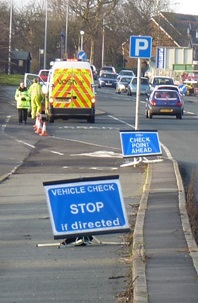
 The Driver and Vehicle Services Agency noted that they will be cracking down on vehicles discovered to have defective fuel systems. Whilst they are particularly concerned about Heavy Goods Vehicles and Buses, their new policy will also apply to cars and light commercial vehicles driven by the majority of ordinary motorists.
There’s a big difference between what happens at a roadside check and when such defects are discovered during an MOT. At a roadside check they have the power to issue a ‘Prohibition Notice’ which means your car can be there and then prohibited from further use!
At MOT time, the Tester will notify you of the defects, and will also flag up those he considers will render the vehicle ‘dangerous to drive’. He has no power to prohibit your vehicle from being used on the road. The defect will be entered on the Government MOT computer so the authorities are fully aware of the situation.
At a roadside check a substantial fuel leak would result in an immediate prohibition and as the driver you would have to arrange for your car to be towed to a garage and then find your own way home!